
The CrossFit lifestyle can extend far beyond the hour you spend inside the gym. For many athletes, training begins to influence how they eat, recover, set goals, compete and even think about what their bodies are capable of doing.
That does not mean CrossFit automatically transforms everyone who walks into a box. But its combination of constantly varied training, measurable progress, group classes and skill development can create habits that reach well beyond the workout itself.
For some people, it becomes less about “going to the gym” and more about building a routine around movement, performance and community.
Here are 10 ways the CrossFit lifestyle can change the way you train and how you approach fitness.
Why the CrossFit Lifestyle Feels Different
Traditional gym training can be extremely effective, and there is nothing inherently better about one training environment than another.
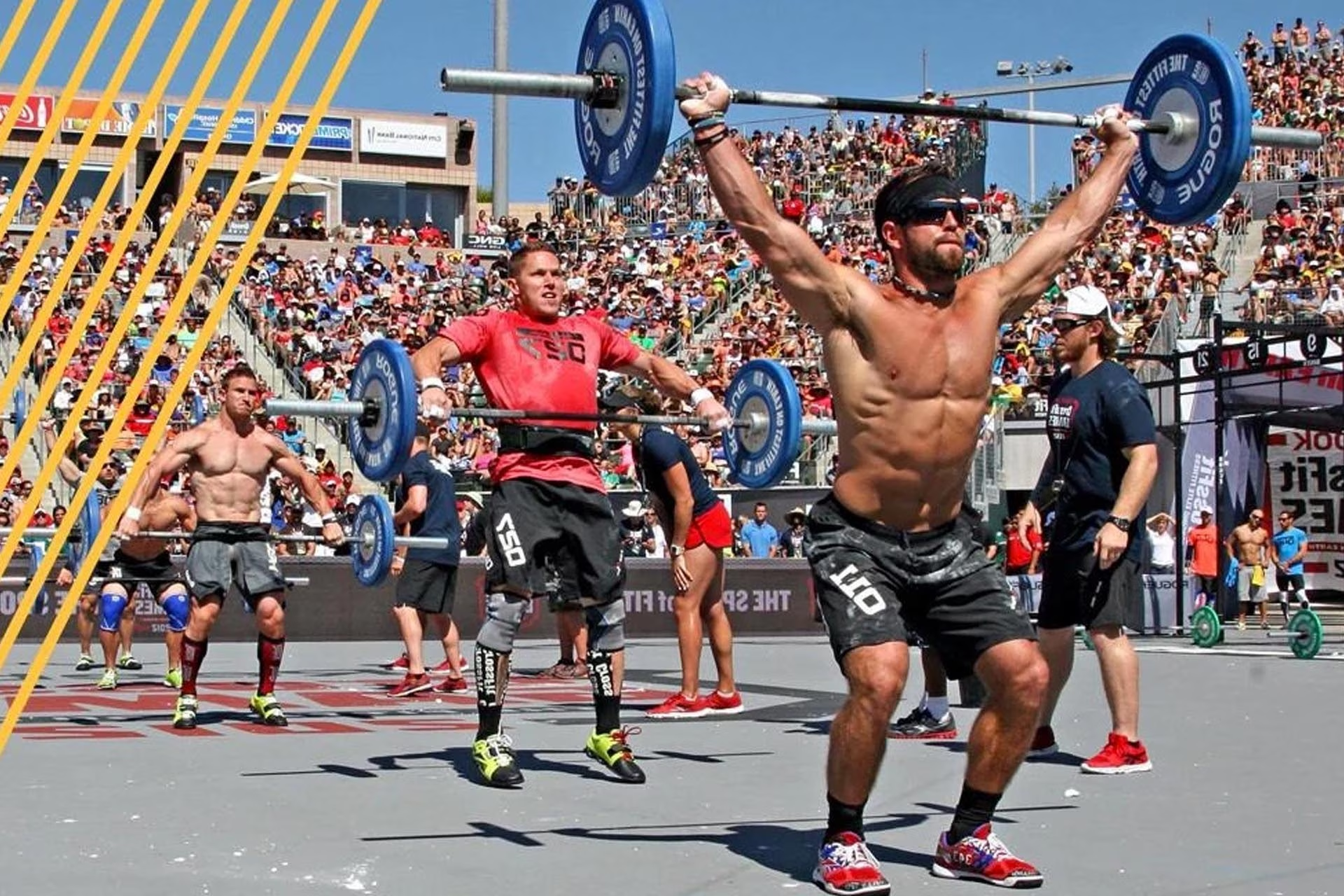
What makes CrossFit distinctive is the combination of structured group training, varied workouts, strength work, gymnastics, conditioning and measurable performance.
That mix can change not only how you train, but what you begin to pay attention to outside the gym.
Training Rarely Feels Identical
CrossFit programming uses constantly varied workouts, so the movements, time domains and training emphasis can change significantly from one session to another.
That variety can make training feel less repetitive and expose you to different physical challenges throughout the week.
You Train With People, Not Just Around Them
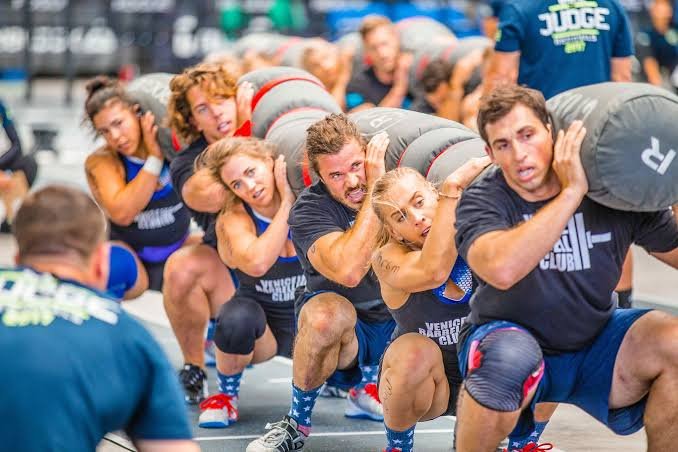
Group classes mean athletes with different backgrounds and abilities often train side by side.
Sharing hard workouts, celebrating personal records and simply seeing the same people every week can create a stronger sense of community than training anonymously in a large gym.
You Start Thinking About Fuel
Hard training has a way of making nutrition feel less abstract. Food becomes connected to energy, recovery and the quality of your next session.
That can encourage athletes to pay more attention to protein, carbohydrates, hydration and overall food quality.
You Learn What Your Body Can Do
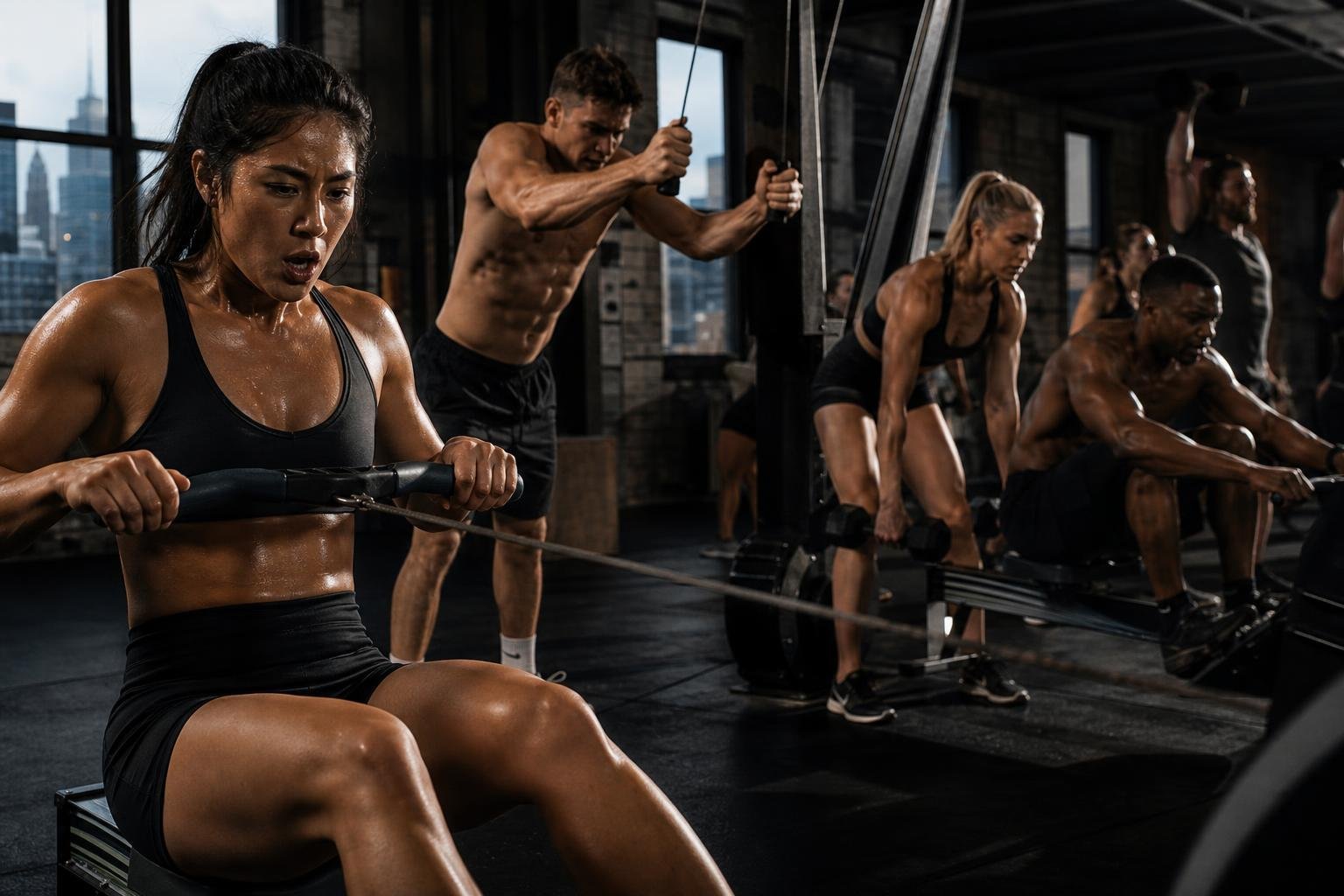
CrossFit exposes athletes to running, rowing, lifting, gymnastics and bodyweight movements.
Over time, you begin to understand where you are strong, where mobility limits you and which skills still need work.
You Start Looking Forward to Training
When workouts constantly change and progress is measurable, training can become something you actively look forward to rather than another task on the schedule.
That anticipation can help turn exercise into a consistent habit.
Hard Sessions Become Rewarding
Finishing a difficult WOD can create a genuine sense of accomplishment.
The goal is not to chase pain or soreness, but to recognise the satisfaction that comes from completing something that once felt beyond your ability.
Capability Can Change How You See Yourself
Confidence can grow when previously impossible movements become possible.
Your first pull-up, heavier clean or faster workout can become evidence that consistent practice is actually changing what you can do.

Progress Starts Replacing Calories as the Goal
One of the most interesting changes in the CrossFit lifestyle is that exercise can stop feeling like a transaction where the only goal is burning calories.
The questions begin to change.
Can I lift more? Can I move better? Can I finish this workout faster? Can I finally perform that movement without scaling it?
Performance creates another way to measure progress.
You Focus on What You Can Do
Progress becomes measurable through weights, repetitions, pace, gymnastics skills and workout times.
That performance-based approach can shift attention away from appearance alone and toward capability.
You Can Compete and Still Support Everyone Else
CrossFit creates an unusual combination of competition and encouragement.
You may want to beat the person next to you, then immediately turn around and cheer for them while they finish.
You Train More Than One Quality
CrossFit combines elements of weightlifting, gymnastics and metabolic conditioning instead of focusing exclusively on one physical quality.
That broad approach encourages athletes to develop strength, endurance, coordination, power and movement skill together.
The CrossFit Lifestyle Is Built Around Broad Fitness
The original CrossFit model describes fitness broadly rather than reducing it to strength or cardio alone.
Want to See What CrossFit Workouts Can Look Like?
From Murph and Kalsu to Linda and Fight Gone Bad, some workouts have become famous because they test very different combinations of strength, endurance and mental discipline.
EXPLORE 10 BRUTAL CROSSFIT WODSNew to the CrossFit Lifestyle?
Walking into a CrossFit gym for the first time can feel like learning another language.
WOD. AMRAP. EMOM. Rx. MetCon. Box.
Once the terminology starts making sense, following workouts and understanding the culture becomes much easier.
OPEN THE CROSSFIT DICTIONARYYou Don't Need to Be Fit Before Starting
Movements, loads and workout volume can be scaled to match experience and current ability.
Progress comes from consistency—not from trying to copy the most advanced athlete in the room on day one.
CrossFit Doesn't Transform Your Lifestyle Automatically
Joining a CrossFit gym does not automatically improve your diet, confidence, sleep or consistency.
Those changes still depend on your own decisions.
What CrossFit can provide is an environment where performance is measurable, training is structured and other people are working toward similar goals.
Used well, that environment can make good habits easier to repeat.
The workout starts the process. What you repeatedly do outside the workout builds the lifestyle.
Is the CrossFit Lifestyle for Everyone?
No single style of training is right for everyone.
Some athletes love constantly varied group workouts. Others prefer traditional strength programs, running, bodybuilding, powerlifting or training alone.
But for the people who connect with it, CrossFit can become much more than a collection of workouts.
It can become a framework for consistency, performance, community and the ongoing challenge of becoming more capable than you were yesterday.
Measure the progress.
Build the lifestyle.
Learn the movement.
Become more capable.