
Body fat vs weight can tell two completely different stories about your fitness progress. The scale tells you how heavy you are. Body composition helps explain what that weight is made of.
That difference matters because losing weight is not always the same thing as losing fat—and gaining weight is not automatically a sign that your fitness is moving in the wrong direction.
An athlete can become leaner, stronger and more muscular while seeing surprisingly little change on the scale. In some cases, body weight can even increase while body composition improves.
So which measurement should you pay attention to?
What Does Body Weight Actually Measure?
Body weight is simply the total mass of your body at the moment you step on the scale.
That number includes much more than body fat. Muscle, bone, organs, body water, stored glycogen and even the contents of your digestive system all contribute to your total weight.
That is why body weight can change from one day to another even when meaningful fat gain or fat loss has not occurred.
One Number. Many Variables.
What Is Body Fat Percentage?
Body fat percentage estimates how much of your total body mass consists of fat.
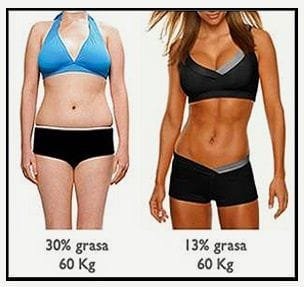
Imagine two people who both weigh 80 kg. One could carry considerably more muscle and less fat than the other. Their scale weight is identical, yet their body composition can be very different.
This is why body fat percentage can provide additional information when someone is trying to understand changes in physique or body composition.
Body Fat vs Weight: The Real Difference
| Measurement | Body Weight | Body Fat Percentage |
|---|---|---|
| What it measures | Total body mass | Estimated proportion of body mass from fat |
| Muscle vs fat | Cannot distinguish them | Provides more body-composition context |
| Ease of measurement | Very easy | Requires an estimation method |
| Daily fluctuations | Can be significant | Estimates can also fluctuate |
| Useful for trends | Yes | Yes |
| Complete health assessment | No | No |
Why the Scale Can Hide Fitness Progress
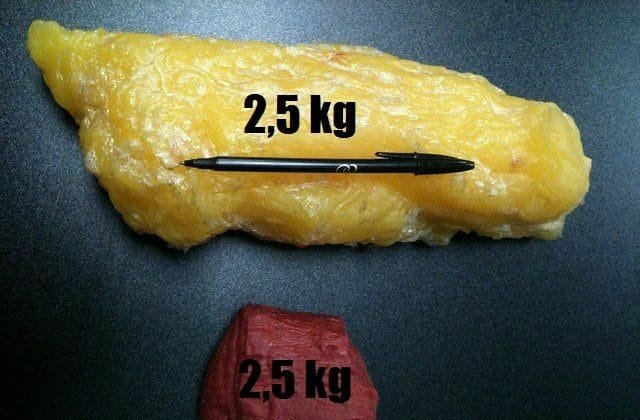
One of the biggest problems with judging progress exclusively by weight is that the scale cannot tell you whether a change came from fat, muscle or something else.
Weight ↓
Body Fat ↓
A traditional fat-loss scenario where body weight and fat mass are both moving downward.
Weight ↔
Body Fat ↓
Body weight stays relatively stable while fat decreases and lean mass increases. The scale barely changes—but the body does.
Weight ↑
Body Fat ↓
An athlete may gain enough lean mass that total weight rises despite becoming leaner.
Why Body Fat vs Weight Matters for Athletes
Athletes provide one of the clearest examples of why body weight alone can be misleading.
Strength training can increase lean body mass. As a result, an athlete can become stronger and change their physique without experiencing the dramatic reduction in scale weight that they might have expected.
The same limitation appears when using BMI alone. Because BMI is calculated from height and weight, it cannot distinguish muscle from fat or bone. Highly muscular athletes can therefore have a relatively high BMI without having the same body composition as someone carrying more body fat.
The scale can tell you that your body changed. It cannot tell you exactly what changed.
How Is Body Fat Percentage Measured?
Body fat percentage is usually an estimate—and the method you use can affect the number you see.
Smart Scales / BIA
Bioelectrical impedance scales estimate body composition by passing a very small electrical current through the body.
They are convenient for home tracking, but hydration and other factors can influence individual readings.
Skinfold Measurements
Calipers estimate subcutaneous fat from measurements taken at specific locations on the body.
Results depend heavily on measurement technique and consistency.
DXA
DXA can provide detailed estimates of fat mass, lean tissue and bone mineral content.
It offers substantially more information than a bathroom scale, although it is less accessible and more expensive.
Body Composition Smart Scale
Want to track more than body weight? A smart scale can estimate metrics such as body fat percentage alongside your regular weigh-ins.
The individual readings should be treated as estimates rather than laboratory measurements. Their biggest value is following changes consistently over time.
VIEW ON AMAZONAffiliate disclosure: Enjoy the Pain may earn a commission from qualifying purchases at no additional cost to you.
What Should You Track Instead of Weight Alone?
Weight Trend
Look at averages and trends rather than reacting to every individual weigh-in.
Body Composition
Use body-fat estimates as another piece of information rather than the only measure of success.
Performance
Track strength, conditioning, pace, repetitions and other markers related directly to what your body can do.
Consistency
Training and nutrition habits maintained for months usually tell you far more than a single number tells you today.
Stop Chasing Daily Numbers
Real body-composition changes take time. Instead of allowing one weigh-in to determine whether you think a week was successful, focus on consistently repeating the behaviors that move you toward your goal.
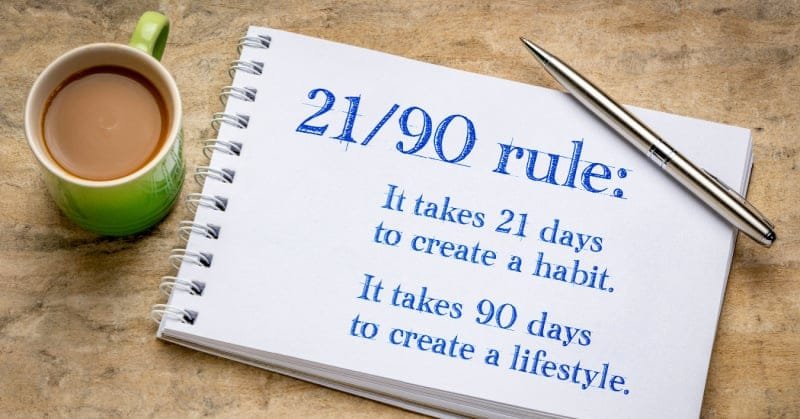
Our 21/90 Rule guide explores how repeated actions can become habits and eventually part of a longer-term lifestyle.
READ THE 21/90 RULEIs Body Fat Percentage More Important Than Weight?
For understanding body composition, body fat percentage can provide information that scale weight alone cannot.
But that does not make body weight useless.
Weight is simple, inexpensive and easy to track consistently. Body fat estimates add context. Performance measurements reveal what your body can actually do.
The strongest approach is therefore not choosing one number and ignoring everything else. It is combining several measurements and looking at how they change over time.
Body Fat vs Weight: Focus on the Trend
Body fat vs weight should not be treated as a competition between two measurements. They simply answer different questions.
Body weight tells you your total mass. Body fat percentage attempts to estimate how much of that mass comes from fat.
If your goal is to improve body composition, build muscle or become a stronger athlete, the scale alone can miss important progress. Use it as one tool alongside body composition, training performance, measurements, photos and how consistently you are executing your plan.
Progress is rarely represented by a single number.
Build the strongest one.
Further Reading
For more information about body weight, body composition and the limitations of weight-based measurements, visit the CDC guide to BMI and body composition .
Respect the process.
Build what the scale can't see.