
Circadian depression is the name researchers have proposed for a pattern of depression closely tied to a disrupted body clock. The idea may help explain why some people feel permanently jet-lagged, sleep for longer, wake exhausted and respond poorly to standard treatment—but it is not yet an official diagnosis.
Key takeaways on circadian depression
- A 2026 Australian study classified 2,604 of 11,380 people with depression—about 23 per cent—as having the proposed circadian profile.
- The pattern included evening preference, delayed sleep timing, hypersomnia, morning tiredness, seasonal symptoms and social jetlag.
- The group reported more severe illness, earlier onset, more bipolar-like symptoms and poorer results with SSRIs and SNRIs.
- The findings are promising but exploratory: the study was observational, relied heavily on self-report and has not yet been independently replicated.
- For active men, persistent low mood, irritability, poor recovery and a collapsing sleep schedule deserve proper medical attention—not a diagnosis from a wearable or sleep app.
What circadian depression means
“Circadian” refers to the body’s roughly 24-hour timing system. It helps coordinate sleep, alertness, hormones, appetite, body temperature and daily activity with environmental cues such as light, meals and movement. When the internal clock and the outside schedule drift apart, the result can resemble a form of chronic internal jetlag.
The proposed subtype is not simply “depression plus a bad night’s sleep”. In the Australian Genetics of Depression Study, researchers looked for a cluster of features: a preference for late nights, delayed sleep timing, sleeping longer during depressive episodes, waking unusually tired, seasonal variation and a mismatch between workday and free-day schedules known as social jetlag. Participants meeting at least three criteria were placed in the circadian group.
That distinction matters because occasional late nights are normal, especially for people balancing shift work, family commitments and training. The research concerns a recurring pattern linked with clinically significant depression, not a personality label for anyone who prefers evening workouts.
What the Australian study found
The study, published in the British Journal of Psychiatry, analysed clinical and genetic data from more than 10,000 Australians with severe, recurrent or persistent depression. Of 11,380 participants with enough information for classification, 2,604 met the researchers’ criteria.
Those participants tended to report earlier onset, more depressive episodes and more severe symptoms. The group also showed higher genetic risk scores associated with ADHD, major depression, anxiety and bipolar disorder, along with markers linked to insulin resistance, body mass and inflammation. These are associations, not proof that a disrupted body clock causes depression or that metabolism explains an individual’s symptoms.
The sex balance also matters when considering what the findings mean for men. Around 80 per cent of the circadian group was female, although the wider study population was also predominantly female. That makes it difficult to draw precise conclusions about how the pattern presents in men. Men may be more likely to report irritability, anger, withdrawal, substance use or physical complaints rather than describing themselves as sad, according to the National Institute of Mental Health.
The study also found lower self-reported effectiveness and more side-effects from SSRIs and SNRIs in the circadian group. That is clinically interesting, but it does not mean these medicines should be stopped, avoided or replaced without medical advice.
The evidence is promising, not settled
The headline “new type of depression” needs restraint. The authors describe a potentially useful subtype, but circadian depression is not currently listed as a standalone condition in the DSM-5-TR. The researchers themselves say that future studies must replicate the findings in different populations and test whether the profile can predict which treatment will work.
Independent experts have raised an important objection: several features used to define the group overlap with long-recognised atypical depression, bipolar-spectrum illness and ordinary sleep disturbance. A response gathered by the Science Media Centre noted that the study did not demonstrate that light therapy, melatonin or other circadian treatments work better for this group. It identified a pattern; it did not prove a new treatment pathway.
That is especially relevant for athletes. A late chronotype is not automatically unhealthy, and training early can make almost anyone feel slow and flat. The more useful question is whether the timing problem is persistent, distressing and impairing your ability to work, train, recover or maintain relationships.
How it may show up in men
For an active man, the pattern might look less like obvious sadness and more like a gradual collapse in daily function. You may keep turning up to the gym while losing interest in training, need far more sleep, struggle to wake for work, feel most alert late at night and rely on caffeine to become functional in the morning.
Other warning signs can include irritability, unusual withdrawal, reduced concentration, changes in appetite or body mass, excessive daytime sleepiness, worsening anxiety, heavier alcohol use or a noticeable drop in performance. None of these signs identifies circadian depression by itself. They can also reflect overreaching, sleep apnoea, thyroid disease, medication effects, bipolar disorder or another medical or psychological condition.
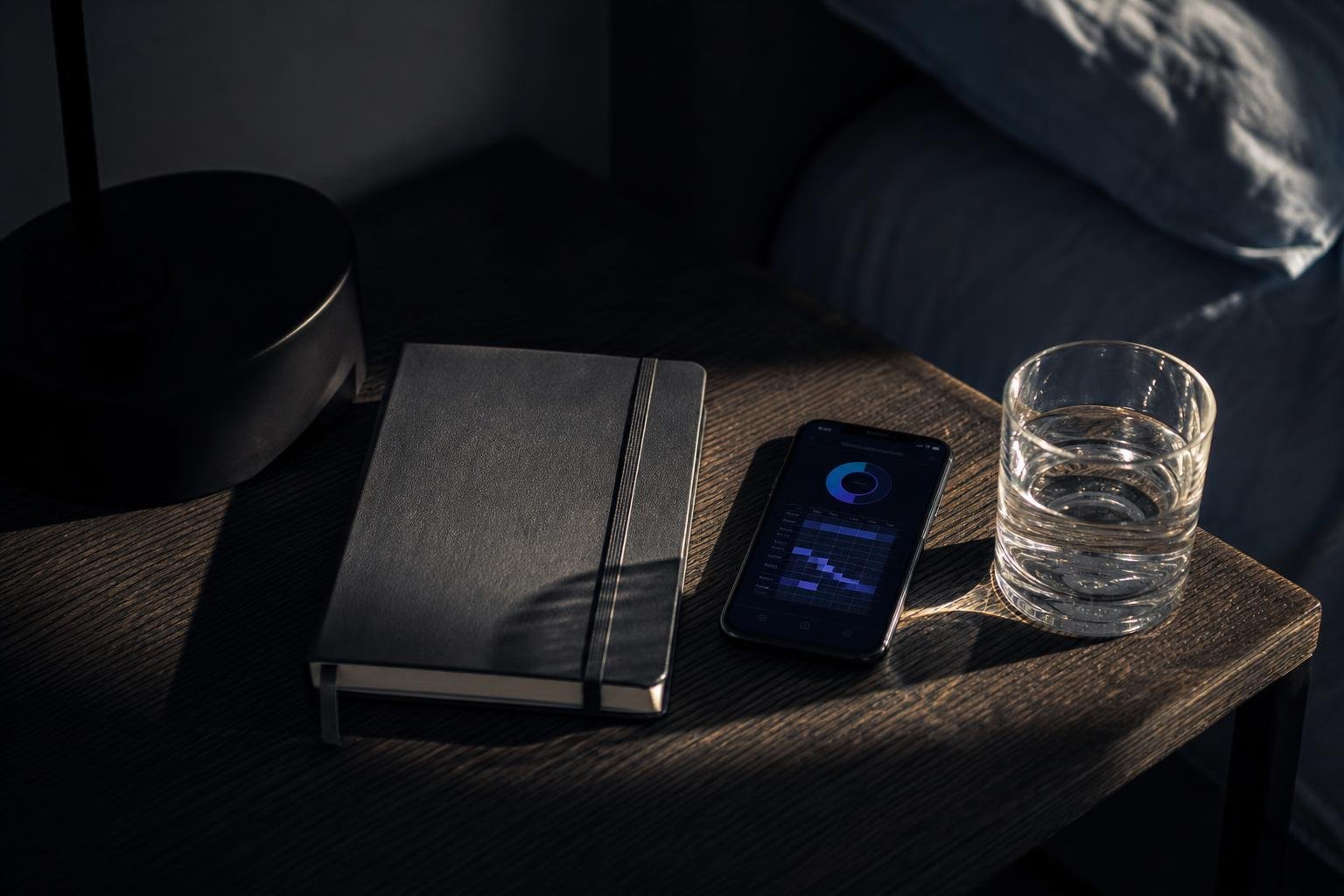
Keeping a simple two-week record can make a clinical appointment more useful. Note sleep and wake times, morning alertness, mood, training load, caffeine, alcohol, naps and whether symptoms change on non-working days. A pattern is more informative than a single poor night, and a clinician can decide whether further assessment is appropriate.
What treatment might involve
There is no established circadian-depression treatment protocol. Standard depression care may include psychotherapy, medication or both, selected according to the person’s symptoms, preferences and medical history. The NIMH explains that finding the right treatment can take time and that physical conditions or medicines can produce similar symptoms.
When sleep timing is clearly part of the problem, clinicians may also consider interventions used for circadian rhythm disorders. The National Heart, Lung, and Blood Institute lists consistent sleep and wake times, regular daytime activity, careful light exposure, bright-light therapy and clinician-guided melatonin as possible tools, depending on the specific disorder.
- Light therapy: timing matters. Morning light can help move a delayed sleep schedule earlier, but it can cause headaches, agitation or eye strain and may not suit people with certain eye conditions or light-sensitive medicines.
- Melatonin: it is not a harmless universal sleep fix. Dose, timing, product quality, interactions and possible worsening of depressive symptoms need to be discussed with a health professional.
- Daily regularity: consistent wake times, daylight exposure, meals and training may provide useful time cues, but they are supportive habits—not substitutes for depression treatment.
Do not use a bright-light box, alter antidepressants or start melatonin because an app labels you a night owl. Circadian data from wearables can suggest a pattern, but it cannot diagnose depression, bipolar disorder or a sleep disorder.
The training takeaway
The practical value of this research is not a new label to apply to yourself. It is a reminder that mood, sleep timing, recovery and performance are connected—and that a stubborn pattern of low energy may need more than extra discipline.
If low mood, loss of interest, sleep disruption or major changes in behaviour persist for two weeks or more, speak with a GP or mental health professional. Men are often more likely to present with anger, physical symptoms or substance use than with the language of sadness, so the person who says “I’m just wrecked” may still need an assessment.
Editorial takeaway: circadian depression is an intriguing research hypothesis with genuine clinical potential, not a confirmed diagnosis. The smart response is to track persistent patterns, protect regular sleep and seek qualified care before changing medication or treating yourself.