
Can you build muscle on a vegan diet? Yes. Animal products are not a requirement for muscle growth, but removing them does not automatically create a diet that supports your training.
You still need enough protein, adequate energy, a productive resistance training programme and a reliable approach to essential nutrients.
The challenge is making those pieces work together. A plate full of vegetables can be nutritious, but a muscle-building meal also needs a meaningful protein source and enough food to support the work you do in the gym.
Here is what the evidence tells us, where the common mistakes happen and how to make a vegan diet work for your goals.
What Research Says About Building Muscle on a Vegan Diet
A 2021 study followed 38 young men through 12 weeks of supervised resistance training. Half were habitual vegans and half were omnivores.
Both groups consumed approximately 1.6 grams of protein per kilogram of body weight per day. Researchers used soy protein supplements for the vegan group and whey for the omnivorous group to reach that intake.
Both groups increased muscle size and strength, with no statistically significant differences between groups in the outcomes measured.
That supports the possibility of building muscle with plant-based protein. It does not prove that every vegan diet will perform equally well, or that the findings apply identically to every population.
Set a Protein Target for Your Vegan Diet
The International Society of Sports Nutrition identifies 1.4–2.0 grams of protein per kilogram of body weight per day as sufficient for most healthy exercising adults seeking to build or maintain muscle.
For an 80 kg adult, that corresponds to approximately 112–160 grams per day. The 1.6 g/kg intake used in the vegan training study would equal 128 grams.
These figures are a general reference rather than a personalised prescription. Training demands, age, energy intake and individual circumstances can change your needs.
Spread Protein Across Your Meals
Include a substantial protein source at breakfast, lunch and dinner, with snacks or a shake when useful. Reaching your daily intake matters more than chasing a supposedly perfect post-workout minute.
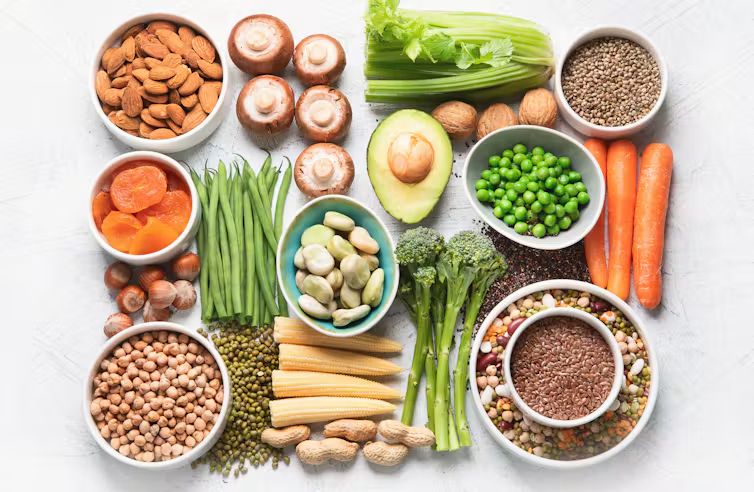
Choose Plant Foods That Make Protein Easier to Reach
Start meals with a protein anchor, then add carbohydrates, vegetables and fats around it.
- Tofu, tempeh and edamame: versatile soy foods for bowls, stir-fries and sandwiches.
- Lentils, chickpeas and beans: useful foundations for curries, chilli and salads.
- Seitan: a concentrated wheat-based option, unsuitable for people with coeliac disease.
- Soy or pea protein powders: convenient when meals alone leave a gap.
Nuts, seeds and grains can contribute protein too, but a sprinkle of seeds is not equivalent to a substantial serving of tofu or legumes.
Think About Amino Acid Balance
Plant proteins differ in amino acid proportions and digestibility. Soy provides all nine essential amino acids, while variety across legumes, grains, nuts and seeds helps build a balanced daily intake.
You do not need to combine specific foods perfectly at every meal. Focus on sufficient total protein and varied sources across the day.
A Vegan Diet Still Needs to Fuel the Work
A calorie surplus is often used to support muscle gain, but it is not an absolute requirement in every situation. Some beginners and people with higher body fat can gain muscle while losing fat.
The ideal energy intake depends on your starting point, training history and goals. Research does not establish one universal surplus that maximises muscle growth.
High-fibre meals can make eating enough challenging when appetite is limited. Rice, pasta, oats, nut butter, olive oil and smoothies offer ways to adjust energy intake without relying entirely on larger salads.
Monitor training performance, recovery and body-weight trends over time. Adjust portions deliberately rather than assuming a bigger bulk always produces better gains.
Give Your Muscles a Reason to Adapt
Protein supports the process, but resistance training provides the stimulus. A vegan diet does not remove the need for a structured programme.
Choose a routine you can repeat consistently. Include movements that cover the muscles you want to develop, practise controlled technique and record your sessions.
Progress might mean another repetition with the same load, more weight at the same repetitions or better control through the intended range of motion.
Give demanding sessions room for recovery. Training harder every day is not a substitute for a plan that you can sustain.
Explore our training guides and recovery coverage for more ways to organise the work.
What a Protein-Focused Vegan Day Can Look Like
Use these as meal ideas, then adjust portions and ingredients to your own needs.
Breakfast
Oats with fortified soy milk, soy yoghurt, fruit and seeds. Add plant protein powder if useful.
Lunch
A tofu and edamame bowl with rice, vegetables and a tahini dressing.
Snack
A soy yoghurt or plant protein shake, with fruit and toast according to appetite.
Dinner
Lentil and bean chilli with rice, or tempeh with noodles and vegetables.
This is an illustration, not a calculated meal plan. Check labels and portions before assuming it meets a particular protein or calorie target.
Look Beyond Protein on a Vegan Diet
A muscle-building diet also needs to support your overall health. Several nutrients deserve deliberate planning when animal products are excluded.
Vitamin B12
Establish a reliable source through appropriately fortified foods or supplementation. Unfortified plant foods are not dependable B12 sources.
Iron
Beans, lentils and other plant foods provide iron. Pairing them with vitamin C-rich foods can help absorption.
Calcium, Vitamin D and Iodine
Check what your plant milk is fortified with: products vary. Calcium-set tofu can contribute calcium, while vitamin D and iodine may need additional planning.
Omega-3 Fats
Flaxseed, chia seeds and walnuts provide ALA. Algae-based products offer a vegan source of the longer-chain omega-3 fats DHA and EPA.
Iron and zinc supplements are not automatic requirements for every vegan. Supplement decisions should reflect dietary intake and individual needs, with professional assessment where appropriate.
Where Protein Powder and Creatine Fit
Protein powder is a convenience tool. It can make reaching your intake easier, but you can build muscle without it when food provides enough protein.
Creatine monohydrate is an optional performance supplement with evidence supporting resistance training outcomes. People who avoid meat may have lower muscle creatine stores and greater potential to increase them through supplementation.
That does not make creatine compulsory, and it does not replace adequate food or productive training. Check that any product you choose is vegan.
A Vegan Diet Can Build Muscle When the Foundations Are There
The research gives plant-based lifters a clear reason for confidence. Sufficient protein and resistance training can produce muscle growth without animal products.
Make the plan concrete: identify your protein sources, eat enough to support your goals, cover essential nutrients and follow a programme that gives you measurable progress.
Review what you actually eat and how you actually train. The label on your diet cannot do that work for you.
Discover more practical food and performance stories in our nutrition section.

Fuel the work.
Train with purpose.
Build your strength.
- Hevia-Larraín et al. — plant-based versus protein-matched omnivorous diets and training adaptations (2021).
- ISSN — position stand on protein and exercise (2017).
- Rogerson — practical vegan nutrition for athletes and exercisers (2017).
- Slater et al. — energy surplus and muscle hypertrophy (2019).
- NHS — balanced vegan diet guidance.
- Australian Institute of Sport — creatine guidance.
This article provides general information for healthy adults. Meal examples are illustrative, and individual nutrition needs vary.