
The Paleolithic Diet: A Natural Approach to NutritionThe Paleolithic Diet: A Natural Approach to Nutrition
The Paleolithic diet, commonly known as the “Paleo diet,” is based on the dietary patterns of our hunter-gatherer ancestors. It emphasizes whole, unprocessed foods that were presumably available during the Paleolithic era, such as lean meats, fish, fruits, vegetables, nuts, and seeds. The idea behind this diet is that modern processed foods contribute to chronic diseases, and returning to a more ancestral way of eating can promote better health and fitness.
Pros of the Paleolithic Diet
- Nutrient-Dense Foods – The diet encourages the consumption of whole, nutrient-dense foods that provide essential vitamins, minerals, and antioxidants.
- Weight Loss Potential – By eliminating processed foods and refined sugars, the Paleo diet may help with weight loss and fat reduction.
- Improved Digestion – The exclusion of dairy and grains can benefit individuals who are lactose intolerant or have gluten sensitivities.
- Better Blood Sugar Control – With a focus on high-protein, high-fiber foods and the exclusion of refined sugars, the Paleo diet may help regulate blood sugar levels.
- Anti-Inflammatory Benefits – Many Paleo-friendly foods, such as fatty fish and vegetables, have anti-inflammatory properties, which may help reduce the risk of chronic diseases.
Cons of the Paleolithic Diet
Elimination of Whole Grains and Dairy – Whole grains and dairy provide essential nutrients like calcium and fiber, which are excluded in the Paleo diet.
- Potentially Expensive – Lean meats, organic produce, and high-quality nuts and seeds can be costly, making the diet less accessible to some individuals.
- Difficult to Sustain – The strict avoidance of processed foods, grains, and dairy can make it challenging for some people to stick to the diet long-term.
- Lack of Scientific Consensus – While some studies suggest benefits, others argue that the exclusion of entire food groups may not be necessary for optimal health.
- Possible Nutrient Deficiencies – Without careful planning, a Paleo diet may lead to deficiencies in essential nutrients like calcium, vitamin D, and fiber.
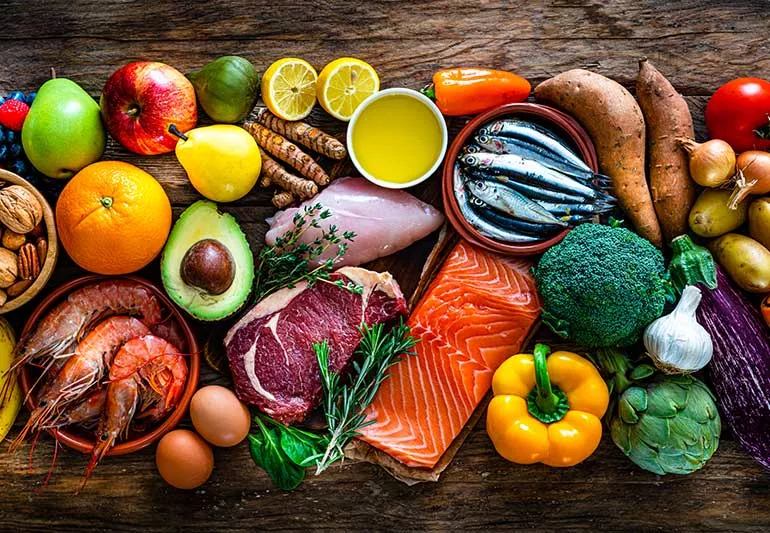
Examples of Paleo-Friendly Meals
Breakfast: Scrambled eggs with spinach, mushrooms, and avocado.
- Lunch: Grilled chicken salad with mixed greens, cherry tomatoes, and olive oil dressing.
- Dinner: Baked salmon with roasted sweet potatoes and steamed broccoli.
- Snack: A handful of almonds and fresh berries.
- Dessert: Banana slices with almond butter.
Conclusion
The Paleolithic diet offers a natural and whole-food approach to nutrition, which can be beneficial for weight loss, digestion, and overall health. However, it also has limitations, including the exclusion of important food groups and the potential for nutrient deficiencies. While some individuals thrive on the Paleo diet, others may find it difficult to maintain long-term. As with any diet, it is essential to listen to your body, ensure proper nutrient intake, and consider consulting a nutritionist before making drastic dietary changes.
Would you try the Paleo diet? Let us know your thoughts in the comments!
Do you want to learn more?


About the author : David Menache

One Comment
Comments are closed.








[…] Paleolithic Diet […]