
Understanding the Hook Grip
The hook grip is a specialized technique in weightlifting that provides a significant advantage during lifts such as the snatch and clean and jerk. Unlike traditional grips that primarily rely on finger strength, the hook grip involves wrapping the thumb around the bar and securing it with the index and middle fingers. This configuration enhances grip stability, reduces fatigue, and improves power transfer, making it an essential tool for lifters aiming for peak performance.
To execute the grip correctly:
- Wrap your thumb around
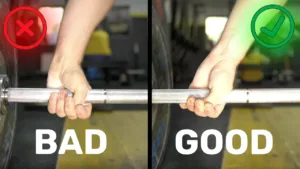 the barbell.
 - Secure it with your index and middle fingers by pressing them over the thumb.
- Maintain a firm but comfortable hold, ensuring control without unnecessary tension.
This grip minimizes the risk of the bar slipping, allowing lifters to focus on their technique and form rather than grip failure.
Key Advantages
The hook grip offers numerous benefits that contribute to weightlifting success:
1. Enhanced Grip Security
One of the primary reasons athletes adopt the hook grip is to enhance grip security. The thumb-locking mechanism prevents the barbell from slipping, allowing lifters to handle heavier weights with confidence. A secure grip translates to better focus on lifting mechanics, leading to improved performance.
2. Improved Lifting Efficiency
A stronger grip means better force transfer throughout the body. This efficiency enables lifters to generate more power at the moment of lifting, ultimately helping them lift heavier weights. The hook grip is particularly beneficial in dynamic movements like the snatch and clean and jerk, where precision and strength must work in harmony.
3. Reduced Risk of Grip-Related Injuries
A compromised grip can lead to serious injuries, especially when handling heavy loads. The grip minimizes grip failure, reducing the likelihood of dropped lifts or excessive strain on the wrists and forearms. By adopting this technique, lifters create a safer lifting environment for long-term progress.
Mastering the Hook Grip: Tips & Strategies
Transitioning can feel uncomfortable at first, but with consistent practice, it becomes second nature. Here are some practical strategies to make the transition smoother:
1. Gradual Adaptation
- Start by using it in warm-up sets to build familiarity.
- Practice with lighter weights before incorporating it into heavy lifts.
- Use the hook grip for basic deadlifts and shrugs to reinforce muscle memory.
2. Grip Strength & Endurance Training
- Perform farmer’s walks and static holds using the hook grip.
- Try grip endurance drills, like hanging from a pull-up bar.
- Include wrist curls and grip trainers to improve overall grip strength.
3. Managing Discomfort
- Use thumb tape to protect your skin and reduce friction.
- Stretch your hands and fingers before and after workouts.
- Adjust your thumb placement periodically to prevent soreness.
About the author : David Menache